

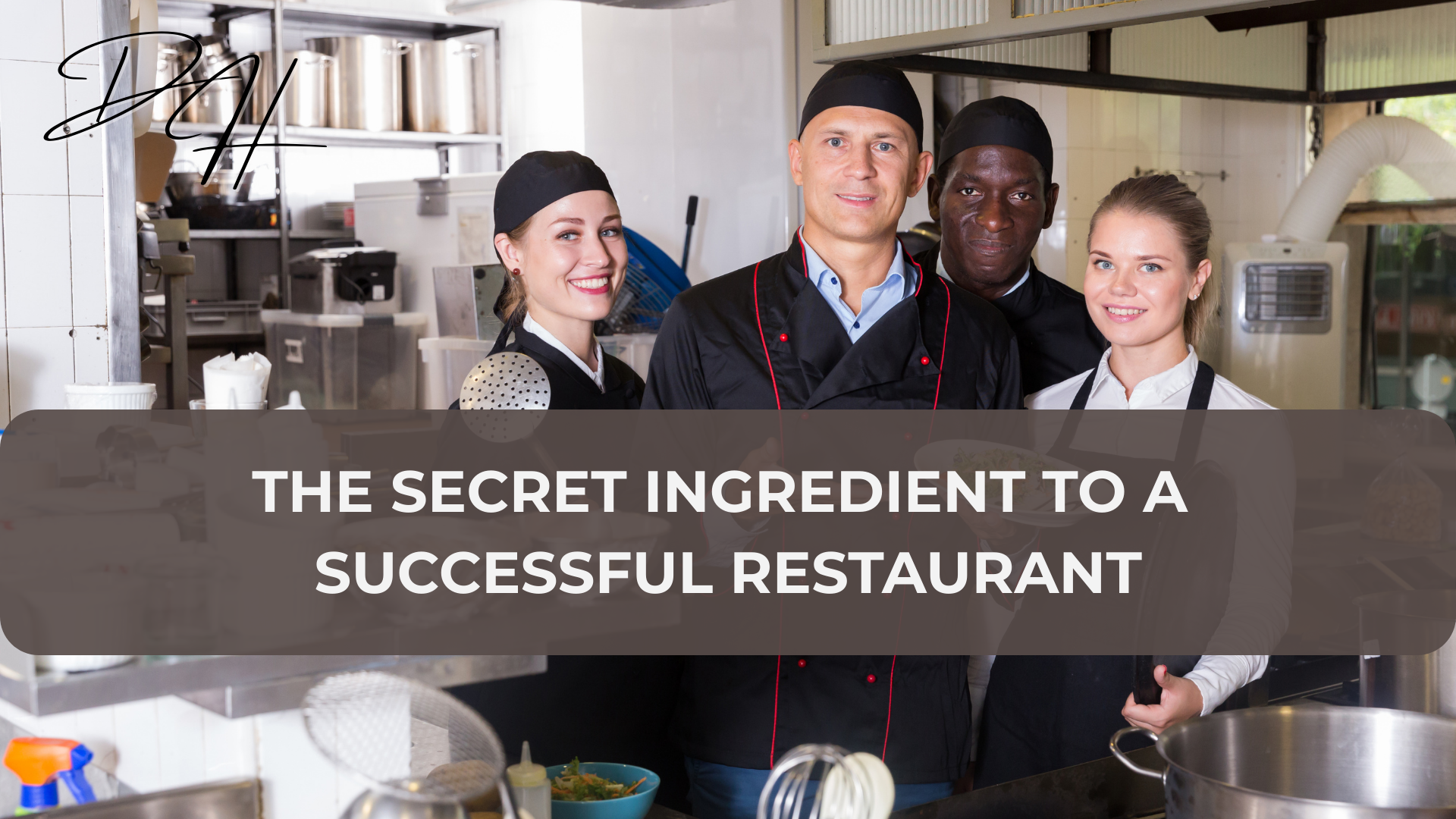
In any restaurant, guests experience one seamless operation—but behind the scenes, that experience is powered by two very different teams: Front of House (FOH) and Back of House (BOH). When FOH and BOH synergy is strong, service flows effortlessly. When it’s missing, cracks show fast—ticket times creep, communication breaks down, and the guest experience suffers.
FOH and BOH synergy isn’t just about getting along. It’s about collaboration, clear communication, and shared ownership of the guest journey—from the first greeting to the final plate.
Two Teams, One Goal
FOH and BOH roles are naturally different. FOH focuses on hospitality, pacing, and the dining room experience. BOH focuses on food quality, timing, execution, and consistency. Different jobs, same mission: deliver an exceptional dining experience every shift.
Problems start when teams operate in silos and default to blame. FOH and BOH synergy happens when both sides understand the same truth: the guest doesn’t separate the restaurant into departments. They only experience the outcome.
Why FOH–BOH Disconnect Hurts Restaurants
A lack of FOH and BOH synergy shows up quickly during service, especially in high-volume or high-expectation environments. Common symptoms include:
- Miscommunication on orders, allergies, and modifiers
- Longer ticket times and rushed plating
- Confusion on pacing (apps/fire timing/desserts)
- Frustration and tension during peak hours
- Lower morale, higher turnover, and “us vs. them” culture
- Inconsistent guest experiences that impact reviews and repeat visits
Guests may never see the conflict behind the scenes, but they feel it through delays, mixed messaging, and a lack of flow in the room.
Communication Is the Foundation of FOH and BOH Synergy
FOH and BOH synergy starts with communication that is accurate, timely, and respectful—especially under pressure.
Here are the non-negotiables that move the needle:
1) Clean order entry and clear modifiers
The POS is not “just a system.” It’s the language between FOH and BOH. Inconsistent shorthand, vague notes, or missing allergy flags create re-fires, delays, and tension.
Standardize:
- Modifier language
- Allergy protocols and callouts
- Timing notes and coursing rules
- Who communicates 86’d items and when
2) Real-time updates during service
BOH should communicate true ticket times and pacing constraints. FOH should communicate large parties, pacing requests, and guest needs early, not late. FOH and BOH synergy depends on both sides sharing information before it becomes a problem.
3) Calm, solution-focused language
High-pressure service doesn’t excuse poor communication. The goal is to solve the guest’s problem, not win a debate. FOH and BOH synergy grows when teams use language that drives action: “Here’s what we need, here’s what we can do, here’s the plan.”
4) Pre-shift meetings that include both teams
Many restaurants run pre-shifts for FOH only. That’s a missed opportunity. A short, consistent pre-shift that includes BOH is one of the fastest ways to build FOH and BOH synergy.
A strong pre-shift covers:
- 86’d items and substitutions
- Specials and prep notes
- Expected volume and pacing priorities
- Reservations, large parties, and timing constraints
- One service focus for the shift (speed, hospitality, accuracy, upsell)
If you want a practical checklist for aligning teams, this resource is a helpful starting point:
https://pos.toasttab.com/uk/blog/on-the-line/how-to-sync-your-foh-with-your-boh
Mutual Respect Builds Stronger Teams
FOH and BOH feel different pressures—but both roles are demanding. FOH manages guest expectations in real time. BOH manages execution with precision under a clock. FOH and BOH synergy improves when teams respect each other’s constraints and stop assuming “they don’t get it.”
Respect looks like:
- FOH acknowledging complexity, prep, and timing realities
- BOH understanding guest-facing pressure and pacing requests
- Eliminating “us vs. them” language
- Celebrating wins as one team, not two departments
When respect is present, stress becomes shared—not divisive.
Shared Knowledge Improves Performance
FOH and BOH synergy accelerates when both sides understand how the other side operates. Cross-training doesn’t have to be complicated. Even short job-shadowing creates better decision-making during service.
Simple ways to build shared knowledge:
- FOH tastes every menu item, learns ingredients and cook times
- BOH hears the top guest questions and common complaints
- Servers shadow the line for 20 minutes to understand ticket flow
- Cooks watch the floor during peak to understand pacing and pressure
Benefits of shared knowledge include:
- More confident menu explanations and fewer missed expectations
- Fewer mistakes and re-fires
- Better pacing and smoother coursing
- Faster problem resolution when things go sideways
FOH and BOH synergy isn’t a personality trait. It’s a systems outcome.
For leadership communication and team-listening concepts that support cross-functional alignment, this Cornell hospitality resource is useful:
https://ecommons.cornell.edu/bitstreams/122a251c-21ea-461d-b208-d334dfbc6748/download
Leadership Sets the Tone
FOH and BOH synergy does not “just happen.” Leadership creates it—or allows dysfunction to grow.
Effective leaders:
- Reinforce shared standards across FOH and BOH
- Address conflict early, privately, and directly
- Model calm communication during peak pressure
- Coach both sides on expectations and execution
- Make it clear that guest satisfaction is a shared responsibility
If managers only intervene when things explode, the culture becomes reactive. FOH and BOH synergy requires proactive leadership, clear standards, and consistent follow-through.
The Guest Feels the Difference
When FOH and BOH synergy is strong, the guest experiences:
- Faster, more consistent service
- Confident, knowledgeable staff
- Better food timing and presentation
- A calmer, more welcoming atmosphere
- Fewer “we’re out of that” moments and fewer surprises
Synergy may be invisible, but its impact is unmistakable—and it shows up in repeat business, reviews, and team stability.
Final Thoughts
FOH and BOH synergy isn’t a bonus. It’s a necessity. Restaurants that build collaboration instead of division create stronger teams, smoother services, and better guest experiences.
When the front and back of house move in sync, the entire restaurant performs at its best—and FOH and BOH synergy becomes a competitive advantage.
Need Help Finding the Right Talent for Your Hospitality Business?
At DeVita & Hancock Hospitality, we help restaurant and hospitality brands build world-class teams. From executive searches to hourly staffing solutions, we connect you with top-tier talent that fits your culture and drives growth.
📩 Contact us today to learn more about our recruitment and consulting services.
Visit us at: www.dhhospitalitygroup.com
Email us at: recruiting@dhhospitalitygroup.com
Call us at: 917-275-7883
Schedule with us: https://calendly.com/christine-devita/dhhospitality_recruiter